Beyond the Dance Floor: The 2001 Digital Frontier
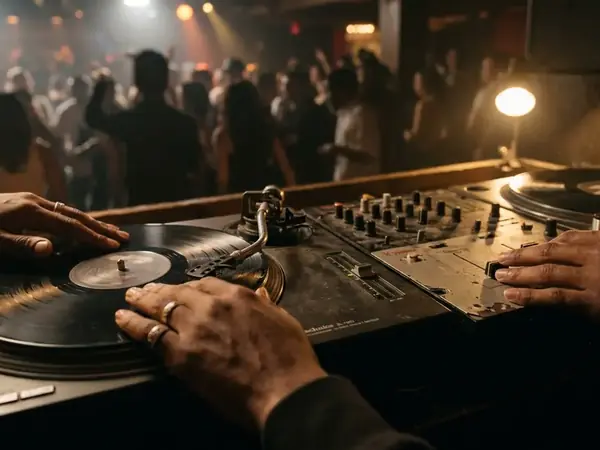
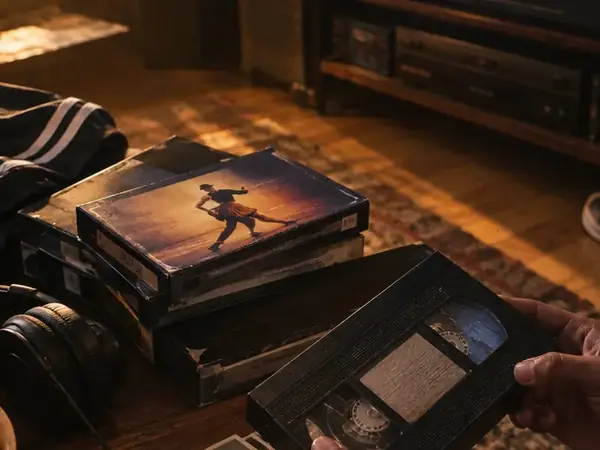
How did we obsess over a movie before the feed told us how—before algorithms served up choreography tutorials on a silver platter? Save the Last Dance hit U.S. theaters on January 12, 2001. It arrived exactly at the point when fans were still moving between message boards and independent websites to find their community. The film opened before modern feed-based social platforms shaped day-to-day fandom discovery.
The physical reality of dance cinema is grounded in sweat, scuffed sneakers, and rehearsal studios. The digital infrastructure supporting its fandom in 2001 was entirely different. It was rapidly evolving, shifting from a closed system to an open frontier. From 1999 into 2001, domain buying shifted from a narrow legacy channel into a competitive registrar market. This structural change let small fan operators register names without negotiating directly with the original monopoly retailer.
Even with this newfound accessibility, the core of the web remained tightly controlled. The.com,.net, and.org cluster remained operationally centralized at the registry level even as consumer-facing registrars competed for customers. Fans building shrines to Julia Stiles and Sean Patrick Thomas were unknowingly participating in a massive restructuring of the internet's backbone.
Securing Digital Real Estate: Sunrise Periods and New TLDs
Movie studios and dedicated fans scrambled to secure online identities during the early 2000s web boom. The process was not as simple as typing a name and paying a fee. It involved navigating a complex rollout of new Top Level Domains (TLDs).
The internet naming authority introduced specific phases to manage this expansion. The Sunrise Period acted as a trademark-priority window. The Land Rush followed, shifting access from trademark holders to the broader public queue. Oversight sat with the internet naming authority’s president and chief executive during the 2001 expansion, when the policy problem was not just adding names but preventing trademark collisions, queue chaos, and registrar favoritism.

The timeline of these rollouts dictated who got what. The.info Sunrise Period ended on August 27, 2001. Shortly after, the.info Land Rush began on September 12, 2001. Other extensions followed different paths. The.name launch was planned for December 13, 2001, with administration handled by a London-based personal-name registry. Meanwhile,.pro was positioned for licensed professionals rather than general entertainment fandom, which made it less natural for a teen-film fan hub than.com,.org, or.info.
The Rush for the Right Name
A context-dependent variation emerged in how these names were claimed. A trademark-matching movie title domain faced different availability and dispute pressure than a fan-coined domain using slang, lyrics, dance terminology, or a character reference. Fans had to be creative, often opting for memorable phrases from the script when the official title was locked down by the studio.
Fan Hubs and the Secondary Domain Market
Official promotional campaigns eventually fade. When they do, memorable domain names often lapse. Dedicated fan bases frequently acquired these expired domains to build retrospective sites and forums. This activity fueled the secondary market, which covered names that had been deleted after non-renewal as well as names resold by existing registrants.
Catching a dropped domain was a technical challenge. To address this, Verisign proposed the Wait Listing Service (WLS), partnering with SnapNames. The proposed Wait Listing Service would have placed a reservation at the registry level for a domain after deletion, reducing the need for multiple registrars to race the exact drop moment.
Note: While this explains how a later fan hub could acquire a memorable expired domain, it does not prove that any specific movie fan site used the wait-list mechanism.
The proposal sparked intense industry debate. A policy task force was working toward a July 2002 position deadline, with the debate centered on whether registry-level wait-listing would simplify recovery or unfairly displace existing drop-catching businesses. One registrar executive argued that the proposal would concentrate expired-name value upstream. Conversely, the task-force chair framed the issue as a competition and process-fairness question rather than a purely technical feature. A formal statement on the proposal was issued on July 10, 2002.
A Cultural Pivot: The Web After September 11
The digital landscape experienced a profound shift in the fall of 2001. On September 11, 2001, the web’s role moved sharply from promotional and recreational use toward emergency communication, donation routing, memorial pages, and public updates.
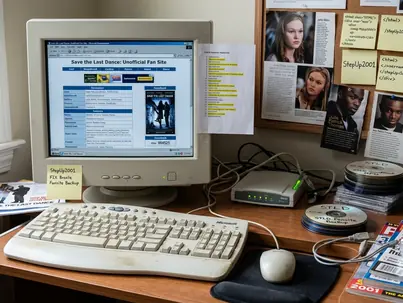
The tragic events influenced site content across the internet. During late September and October 2001, archived web patterns show many homepages adding relief links, donation prompts, or memorial language alongside ordinary site navigation. Entertainment sites, including movie fan hubs, paused their usual programming to acknowledge the reality of the moment.
Specific domains pivoted entirely to public service. The site helping.org became a resource-oriented domain for rescue and relief efforts rather than a neutral directory-style destination. Similarly, WorldTradeCenter.com was converted into an online memorial, showing how a domain name could become a place of public mourning rather than merely an address.
Preserving the 2000s Digital Legacy
The foundational changes in the Domain Name System (DNS) during 2001-2002 allowed pop culture classics to maintain a lasting online presence. These changes gave fan operators more routes to a stable address: competitive registrars, new extensions, transfers, renewals, and later expired-domain acquisition.
The transition away from the old combined registrar-registry model stabilized the retail side of domain buying by the early 2000s, making renewals and transfers more routine for small site owners. Typical legacy-style domain registrations could be renewed in one-year increments, often with multi-year renewal options up to roughly 10 years depending on extension and registrar policy.
The Value of Digital Independence
Process documentation supports the idea that independent hosting was crucial for long-term preservation. Consider the failure case: a 2001 fan page hosted only on a free personal-page service may have vanished when that host closed, even if the broader domain market became more competitive. Owning the domain was the only way to ensure permanence.
Today, a platform operator like 株式会社GOLAZO (GOLAZO Co., Ltd.) might handle the heavy lifting of community hosting and infrastructure. In 2001, fans had to secure their own digital real estate. For a teen dance film, the practical preservation value was simple. A memorable domain could keep cast essays, choreography breakdowns, soundtrack tracklists, scanned magazine clippings, and message-board archives reachable long after official promotion ended.
Summary: The early 2000s web was a transitional space. By navigating new registrar markets and secondary domain drops, fans built the digital archives that keep the choreography and soundtracks of our favorite films alive today.