
Stop Dismissing 2000s Teen Dance Cinema
For over two decades, 'Save the Last Dance' has been remembered merely as a nostalgic romance. We break down the choreography, the iconic soundtrack, and the cultural conversations it sparked, giving this 2001 classic the serious retrospective it earned.
the final audition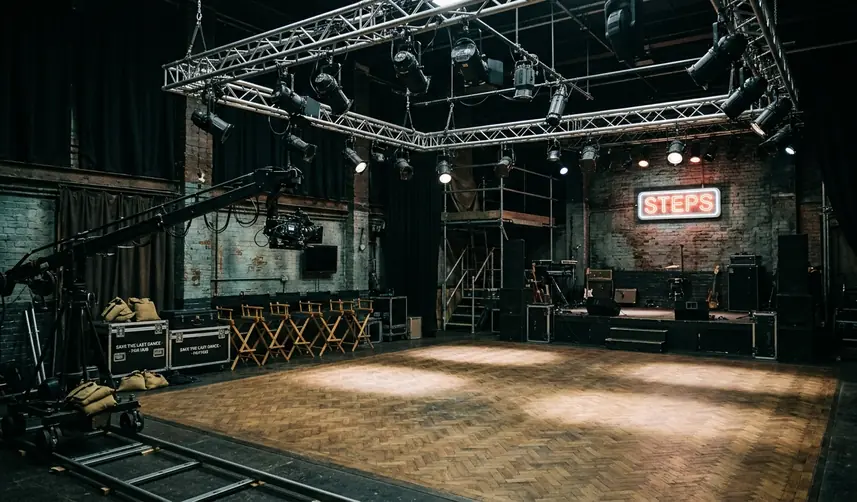
Latest articles
I Followed Save the Last Dance 2’s Dance Curriculum for a Week—Here’s What the Sequel Gets Right
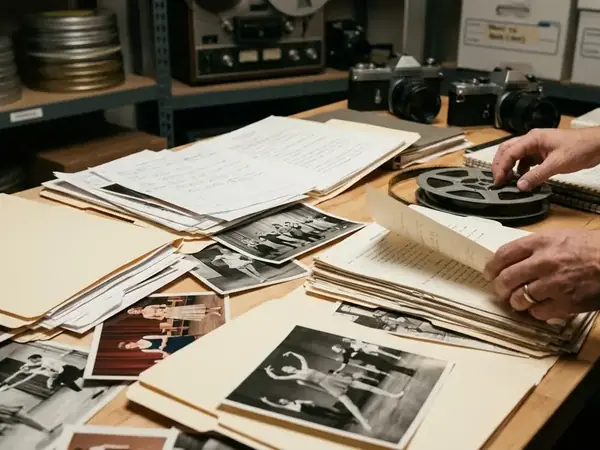
Researching Save the Last Dance? Start With These Reliable Production Sources
Save the Last Dance Is a Grief Story Before It’s a Dance Story
Read the Reviews That Greeted Save the Last Dance in 2001
As Save the Last Dance Turns 25, Its Pop-Culture Legacy Enters a More Honest Era
Build a Ballet-to-Hip-Hop Training Plan Inspired by Save the Last Dance
Julia Stiles Is a Director Now—Her Career Shift Changes the Save the Last Dance Rewatch
Why This 2001 Dance Film Still Has a Pulse
Plenty of films from the early 2000s now feel sealed inside their own era. This one does not. The clothes, the club scenes, and the needle drops belong to a very specific moment, yet Sara’s push toward Juilliard and Derek’s careful reading of her movement still land with a surprising charge.
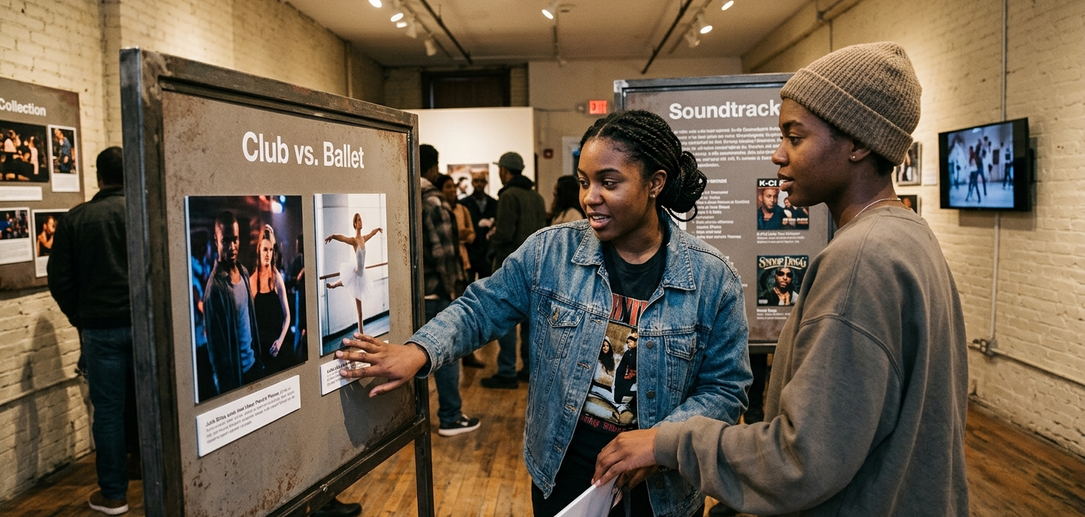
The film understood something that many dance movies only decorate: technique is personal history. Sara does not simply learn hip-hop because the plot needs her to loosen up. She has to re-enter her own body after loss, then decide what parts of her training still belong to her.
That is why the final audition remains such a useful scene to revisit. It is not a perfect ballet solo, and it is not a club routine wearing pointe shoes. It is a young dancer trying to make a vocabulary out of everything she has survived.
Where Ballet Meets Hip-Hop Without Losing Either One
The concept sounds simple on paper: classical ballet discipline collides with early 2000s hip-hop confidence. On screen, the interesting work happens in the seams.
The Ballet Frame
Sara’s training gives the film its vertical line: posture, control, turnout, rehearsal-room pressure. Even when she doubts herself, ballet remains the grammar she knows best.
The Club Education
Derek does not hand her a new identity. He shows her how rhythm can sit lower in the body, how confidence can travel through the shoulders, and how listening matters as much as counting.
What stands out is that the film’s most memorable choreography works because it lets tension stay visible. Sara is not instantly transformed. She looks effortful, sometimes awkward, sometimes brave. That texture makes the dancing feel like a story rather than a showcase.
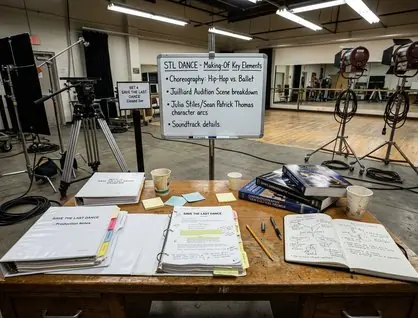
For readers who want to stay inside that sequence longer, our deeper breakdown of the final audition follows the movement choices beat by beat.
The Soundtrack as Memory Machine
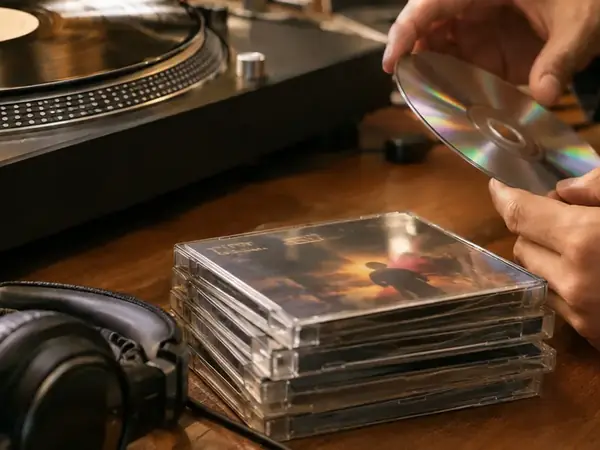
A few seconds of the right track can put you back in the room: a CD binder, a school dance, a late-night bus ride with headphones pressed too hard against your ears.
The soundtrack helped give Save the Last Dance its cultural temperature. It did not merely sit underneath the story. The R& B and hip-hop selections shaped how the film moved through romance, competition, mourning, and release.
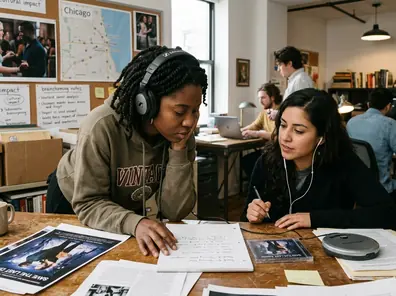
That matters because the movie’s emotional shifts often arrive through sound before dialogue catches up. A beat changes the air. A song turns a hallway into a runway, a party into a test, an audition into a confession.
There is nostalgia here, certainly, but nostalgia is not the whole case. The songs remain useful because they document a mainstream teen film taking Black club culture and contemporary R& B seriously as narrative forces. For more on that soundscape, see our feature on why the soundtrack still reads as a 2000s R& B touchstone.
Explore the Film From Every Angle
savethelastdance is built for rewatchers: fans who remember the movie vividly, dancers who want to inspect the movement, and pop-culture readers who know a teen film can tell us a great deal about its moment.
The Film
Plot analysis, production context, and the choices that made the 2001 release endure beyond its opening weekend buzz.
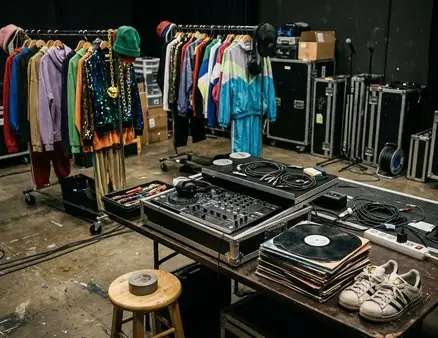
Soundtrack
Track-by-track attention to the R& B and hip-hop selections that gave the movie its unmistakable atmosphere.
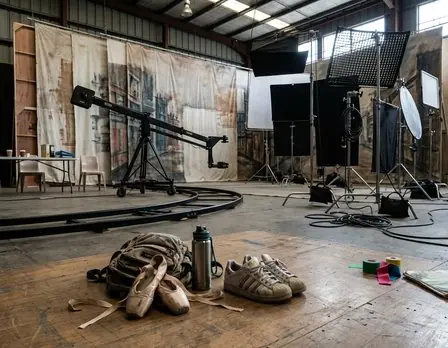
Choreography
Close readings of routines, rehearsal logic, musicality, and the film’s blend of ballet lines with club movement.
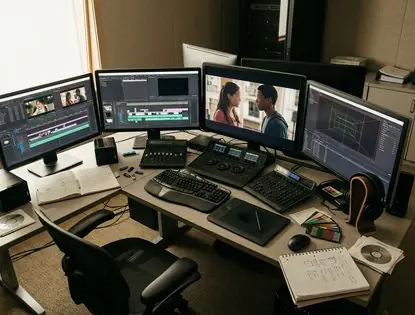
Cultural Impact
Essays on interracial romance, teen cinema, race, class, and the way the film spoke to early 2000s audiences.
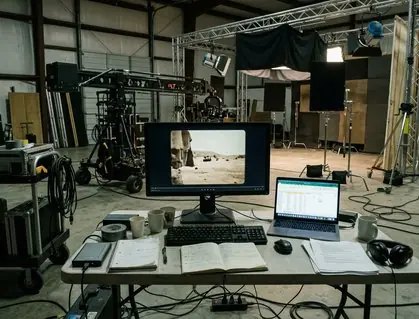
Reviews & Retrospectives
Modern rewatches and critical essays that ask what still works, what dates the film, and why fans keep returning.
Sequels & Spin-offs
Coverage of Save the Last Dance 2 and the franchise’s afterlife beyond the original theatrical hit.
Our Editorial Lens
The challenge with a beloved film is resisting the easy glow. A fan hub can celebrate without pretending every scene is beyond critique.
Our coverage treats Thomas Carter’s film as both entertainment and cultural text. The savethelastdance editorial approach brings together film history, choreography analysis, soundtrack listening, and teen-cinema criticism, while leaving room for the feeling that made the movie stick in the first place.
Main Point:
We write from affection, but not from autopilot. When we revisit the romance, the dancing, the casting, or the music, we keep the early 2000s context in view and acknowledge where modern viewers may read the film differently.
Start anywhere: the audition, the soundtrack, the sequel, or the questions around interracial romance in teen cinema. The movie still has plenty to say if you give it more than a nostalgic glance.
113K+Soundtrack Spins
29+Legacy Years
38+Dance Scenes