From Chicago Clubs to Juilliard Corridors
The original 2001 film presents hip-hop through Stepps, school corridors, and neighborhood relationships. Battles feel socially spontaneous. The camera captures movement in tight, crowded spaces where the audience and the dancer share the same physical breathing room. The sequel relocates Sara to Juilliard. Movement is evaluated through auditions, classes, rehearsals, and professional ambition. That abrupt change in setting and style functions as evidence of the real-world institutionalization of street dance during the mid-2000s.
The grounded, bent-knee posture of hip-hop contrasts with the lifted, ethereal verticality of classical ballet. Chicago's physical spaces emphasize that grounding in the original. An L-train rattles overhead. Concrete schoolyards provide a hard, unforgiving surface for the cyphers. That environmental texture disappears in the sequel. Juilliard offers sprung floors, mirrored walls, and climate-controlled studios. Moving from the street to the studio mirrors the broader cultural shift of the era: hip-hop dance went from community-based social practice to a highly codified, marketable skill taught in suburban strip-mall dance academies.
The Gap Between Releases
Roughly five years and nine months separate the January 2001 theatrical debut from the October 2006 direct-to-video release, and the thematic shift follows that gap. The casting change from Julia Stiles to Izabella Miko accompanies a larger relocation from Chicago's neighborhood spaces to Juilliard's polished New York training environment. Stiles brought a rigid, slightly awkward tension to her early scenes, making her eventual looseness feel earned. Miko arrives with a pre-packaged polish that fits the conservatory. Watched back to back, the two films become an analytical event. Viewers observe the commercialization of hip-hop dance in real time. The gritty authenticity of the cypher gives way to the structured syllabus of the academy.
Engineering the Environmental Shift
Logistics dictate the success of this chronological screening. Allow roughly three hours and forty-five minutes for the event. That schedule includes about 112 minutes for the original, 90 minutes for the sequel, a 20-minute intermission, and 20 to 25 minutes for discussion. Build the screening around two different attention modes. Keep the room dark and the seating forward-facing during the original so its club sequences retain their momentum. The viewer needs to feel the claustrophobic energy of the Chicago underground.
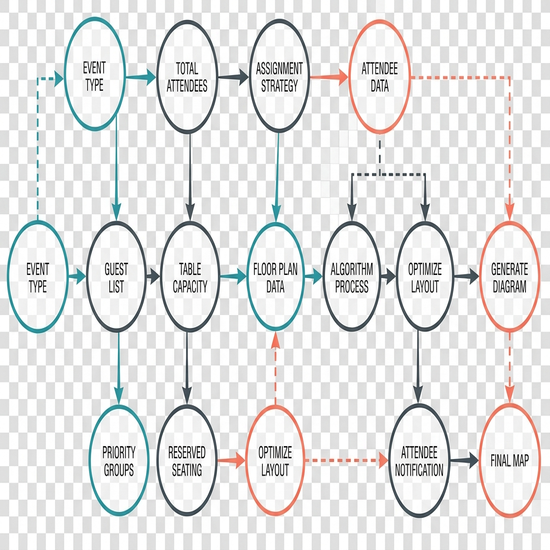
The physical environment of the screening room must reflect the spatial politics of the films. During the original, the room should feel dense. Keep the seating tight and forward-facing. Darkness should mimic the atmosphere of Stepps, where the only illumination comes from the kinetic energy of the bodies in the center of the room. Once the end credits begin, the host must actively dismantle that atmosphere. Raise a side lamp to introduce a softer, more analytical light. Open the seating into a shallow semicircle. This arrangement encourages dialogue and eye contact, shifting the audience from passive consumers of a narrative to active critics of a cultural text.
Resetting the Room
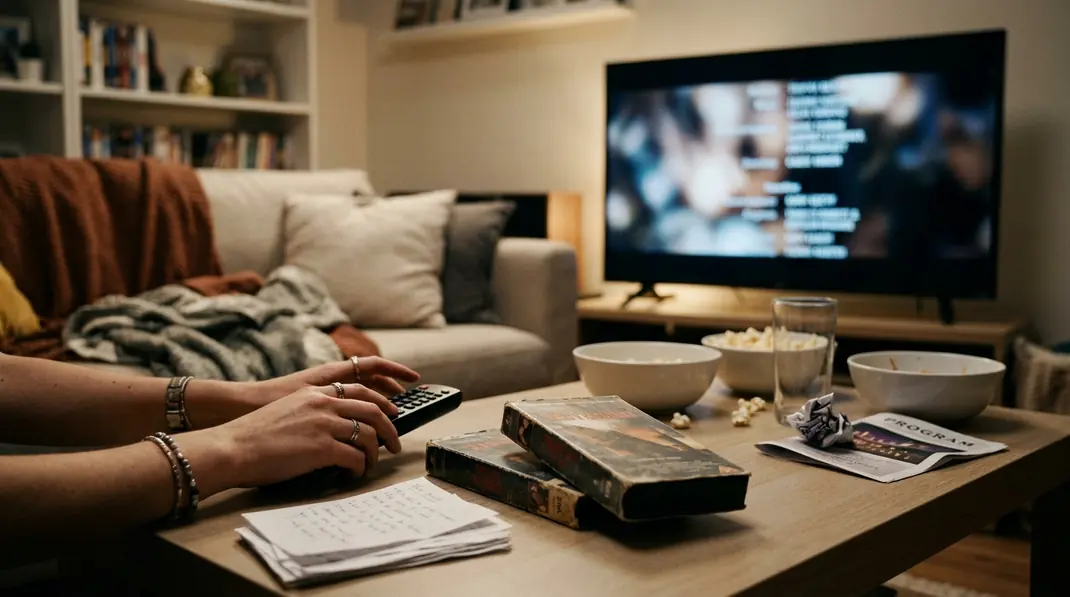
Leave the screen paused on the sequel's title menu. The physical reset forces viewers to register the Stepps-to-Juilliard shift. A standard five-minute pause provides time for little beyond leaving and returning to the room. A 20-minute reset creates distinct windows for refreshments, musical transition, and recasting discussion. Move seats roughly 30 to 60 centimeters apart. Avoid turning on harsh overhead lighting unless the room requires it for safe movement. The environment must transition from a high-energy, immersive viewing state to a more relaxed, critical-viewing atmosphere.
A Twenty-Minute Sonic Bridge
Music dictates the emotional pacing of this transition. Divide the intermission according to what viewers must process. The first block handles practical needs while the original's ending settles. Minutes zero through five keep the original's credits or score audible. Raise a side lamp and handle drinks without starting discussion. The audience needs this silent buffer to process the emotional climax of the first film.
Minutes five through fourteen play a six-track transition sequence. Use two bass-forward late-1990s or early-2000s selections. These tracks should feature heavy 808s and aggressive lyrical delivery, reminiscent of the Ice Cube and Snoop Dogg era. Follow with two tracks that balance rap verses with melodic hooks. Conclude with two smoother 2005-2006 R&B-pop selections, leaning into the polished production style of artists like Ne-Yo. Use excerpts of roughly 75 to 100 seconds rather than full tracks so the progression remains clear.
Audio Transition Timing
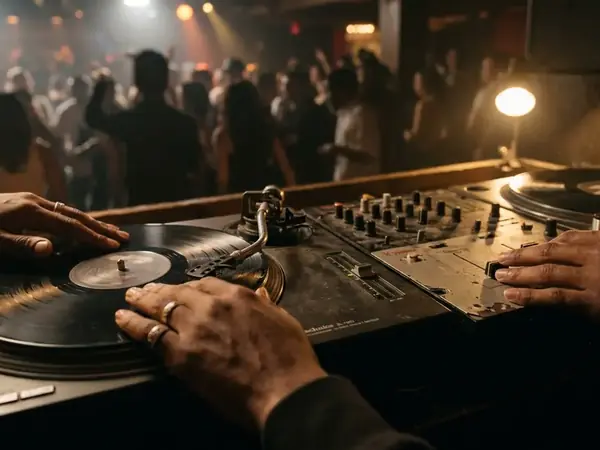
Managing this audio progression requires precision. The host curates the physical space much the way a DJ handles a set change, bridging the 20-minute recasting-and-soundtrack gap between the two Saras. Minutes 14 through 18 introduce discussion. Ask whether the first film resolves Sara's grief over her mother's death or merely redirects it into dance. Ask which traits must survive a recasting for the sequel's protagonist to feel continuous. Does the new Sara need to retain the original's stubbornness, or just her technical proficiency? Minutes 18 to 20 lower the music, reposition the seats, dim the side light by one level, and begin the sequel without trailers.
Evaluating the Institutionalization of Movement
Organize the discussion around how each film makes choreography legible. In the original, isolate the club battles, ensemble circles, and Derek's coaching scenes. These are edited and staged to suggest exchange, challenge, and improvisation. The camera moves with the dancers, capturing the raw kinetic energy of the cypher. Framing often obscures the full body, focusing instead on the rhythmic interaction between feet and floor, or the aggressive posturing of the upper body.
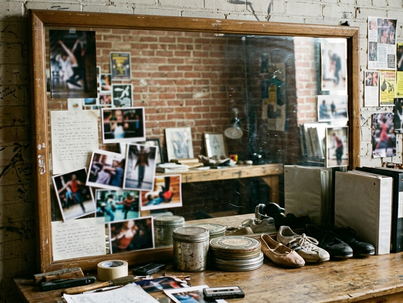
In the sequel, track mirrors, instructors, rehearsal counts, synchronized groups, and evaluative spaces. The lens becomes static, observing the dancers from the perspective of a judge or an instructor. The full body is almost always in frame, emphasizing line, extension, and unison. Reserve 20 to 25 minutes after the sequel. Allocate six minutes for battle and cypher framing. Dedicate six minutes for ballet and institutional authority. Spend six minutes on the two climactic fusion routines. Leave whatever remains for open reactions.
Ask three scene-specific questions. Who is permitted to judge Sara's movement in each film? When does ballet function as a discipline rather than a symbol of privilege? Does the sequel's polished fusion preserve the social exchange visible at Stepps, or convert it into an academy-ready performance product? Compare the original climax's use of hip-hop training to alter Sara's ballet audition with the sequel's broader effort to place hybrid choreography inside a conservatory and professional-career narrative. This method can analyze framing, authorship, and cultural borrowing in the finished films. What it cannot do is establish how dancers experienced the production process without rehearsal records or testimony from the choreographers and performers, so judgments should stay tied to early-2000s screen conventions and visible scene construction.
The Financial Architecture of the Dance Franchise Boom
Close with the business sequence that explains the sequel's existence. Begin with the original's modest production scale. Compare that cost with its worldwide theatrical gross. Return to the sequel's direct-to-video format. The property became proof that youth-oriented hip-hop dance could attract a large audience—a recognizable title primed for extension. The sequel followed in October 2006, arriving right at the start of the late-2000s stretch when dance narratives were increasingly packaged for sequels and repeatable youth franchises.
Studios realized that dance films required minimal special effects, relied on relatively inexpensive young talent, and generated lucrative soundtrack sales. The financial model was undeniable. That return on investment proved the viability of the youth-driven hip-hop dance genre and cleared the runway for the franchise-heavy dance film boom that followed. Marketing, distribution, and exhibitor shares all sit outside a simple gross-to-budget comparison, but the headline arithmetic is hard to argue with: the 2001 film grossed over $131 million worldwide against a reported production budget of approximately $13 million—ten dollars back for every one spent.